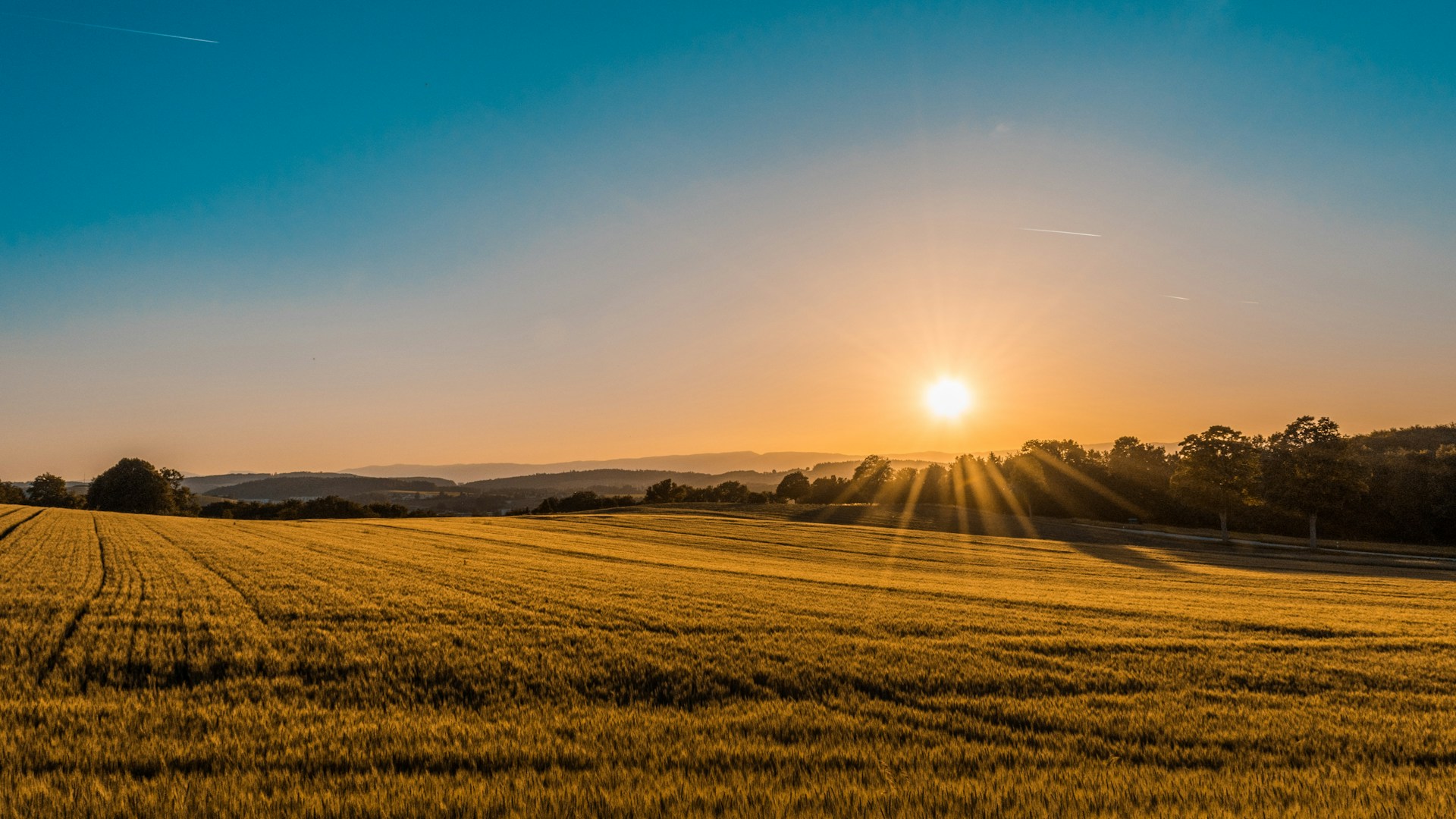
The smell of freshly cut grass on a Saturday morning, the cool dampness of morning dew against your boots, the deep, rich emerald green that makes your house look like a million bucks. We all want the perfect lawn. But if you’re trying to grow Kentucky Bluegrass in the sweltering heat of southern Texas, or Bermuda grass in the frozen winters of Minnesota, you’re fighting a losing battle against nature itself.
Choosing the right grass for your specific climate zone is the single most important decision you can make as a homeowner. No amount of expensive fertilizer, complicated watering schedules, or top-tier mowers can save a grass type that fundamentally doesn't belong in your soil temperature.
In this ultimate guide, we’re going to break down the two main categories of turfgrass—cool-season and warm-season—and explore the most popular varieties within them. By the end of this article, you’ll know exactly what seed or sod you should be putting down in your yard.
The Great Divide: Cool-Season vs. Warm-Season
The United States is generally divided into three major growing zones for turfgrass: the cool-season zone (the North), the warm-season zone (the South), and the dreaded Transition Zone (the middle strip where everything struggles a little bit). Grasses are categorized by their peak growth periods.
1. Cool-Season Grasses
These grasses thrive in areas with freezing winters and moderate summers. They have two major growth spurts: a massive push in the spring, and a secondary push in the early fall. During the brutal heat of July and August, cool-season grasses often go dormant, turning brown to protect themselves until temperatures drop and rain returns.
Top Varieties:
- Kentucky Bluegrass (KBG): The undisputed king of northern lawns. KBG produces a dense, stunningly dark green carpet that repairs itself thanks to a network of underground rhizomes. Pros: Incredible color, self-healing, soft texture. Cons: Requires a lot of water, fertilizer, and full sun.
- Tall Fescue: The rugged survivor. Tall fescue has deep roots, making it highly drought-resistant and capable of surviving in the transition zone better than KBG. Pros: Drought tolerant, heat tolerant (for a cool-season grass), handles traffic well. Cons: Grows in clumps, meaning bare spots require reseeding.
- Perennial Ryegrass: The fast germinator. If you throw ryegrass seed on bare dirt, you’ll see green fuzz in under a week. It’s often mixed with KBG to provide quick cover while the slower bluegrass establishes itself. Pros: Extremely fast germination, beautiful striping when mowed. Cons: Poor heat and drought tolerance.
2. Warm-Season Grasses
These grasses love the heat. They thrive in the Deep South, Florida, Texas, and the Southwest. They wake up in late spring, explode with growth during the hottest months of summer, and go completely dormant (turning a stark, straw-brown color) after the first frost of winter.
Top Varieties:
- Bermudagrass: The aggressive spreader. Bermuda grows rapidly via both above-ground stolons and below-ground rhizomes. It’s the grass of choice for golf courses and athletic fields in the south. Pros: Extremely durable, highly drought-tolerant, repairs itself quickly. Cons: Extremely invasive (it will conquer your flower beds), requires full sun, needs frequent mowing.
- Zoysiagrass: The barefoot dream. Zoysia produces a thick, prickly-yet-soft carpet that is so dense it naturally chokes out most weeds. Pros: Excellent weed resistance, handles shade slightly better than Bermuda, beautiful texture. Cons: Very slow to establish, prone to thatch buildup.
- St. Augustine: The coastal favorite. With its wide, thick blades, St. Augustine is incredibly popular in Florida and along the Gulf Coast. It handles heat, humidity, and salty air like a champion. Pros: The best shade tolerance of any warm-season grass, grows well in sandy coastal soils. Cons: Requires massive amounts of water, susceptible to chinch bugs and SAD (St. Augustine Decline) virus.
- Centipedegrass: The lazy man's lawn. Centipede is a low-maintenance grass that requires very little fertilizer and infrequent mowing. Pros: Low maintenance, thrives in acidic, nutrient-poor soils. Cons: Light apple-green color (never dark green), cannot handle heavy foot traffic.
The Transition Zone: A Landscaping Nightmare
If you live in a band stretching from Virginia across Tennessee, Arkansas, and into Kansas, you live in the Transition Zone. This area is characterized by summers that are too hot for cool-season grasses, and winters that are too cold for warm-season grasses. It's the hardest place in the country to maintain a perfect lawn year-round.
If you live here, your best bet is usually Turf-Type Tall Fescue (TTTF). Its deep root system allows it to survive the blistering August heat, while its cool-season genetics keep it green deep into November.
Making the Final Decision
To choose the perfect grass, you must audit your property realistically. Step outside and ask yourself these three critical questions:
- How much sun does the yard get? If your yard is heavily shaded by large oak trees, Bermuda is guaranteed to fail, no matter how much you water it. You’ll need a shade-tolerant Fescue or Zoysia.
- What is your irrigation capacity? Do you have an in-ground sprinkler system? If you rely on dragging a hose around, planting a thirsty grass like Kentucky Bluegrass will turn into a part-time job.
- How much foot traffic will it see? If you have three large dogs and kids playing soccer every evening, you need a grass that repairs itself, like Bermuda or KBG, rather than a clumping grass like Fescue.
The perfect lawn isn't about buying the most expensive seed. It's about buying the right seed for the environment you have. Work with nature, respect your hardiness zone, and your lawn will reward you.